

Some people inherit their path.
Others build it, piece by piece, with the precision of an engineer and the heart of a visionary.
Doug Payne is both, and his journey from a New Jersey farm to the Olympic Games is a masterclass in calculated ambition, relentless partnership, and the power of never selling yourself short.
The Farm That Shaped Everything
Doug did not choose riding so much as he inherited it. Growing up on a family farm ten minutes outside of Gladstone, New Jersey, horses were simply what everyone did. His mother judged at two Olympic Games. His sister rode five-star events. By five years old, Doug was in the saddle. By ten, he was competitive. It seemed inevitable.
But inevitability can mask something more profound: a quiet determination not just to follow the path, but to redefine it.
At the Rochester Institute of Technology, Doug studied mechanical engineering with a clear plan: graduate, work as a forensic engineer, and possibly serve as an expert for the New Jersey State Police. During his internship, he completed the state police academy, excelling on every test and meeting all requirements. Doug believed his hard work had positioned him for a career in law enforcement. However, everything changed when the New Jersey state budget was put on hold.
The interim period, spent waiting for a start date that would never arrive, became a turning point in Doug’s life. With plenty of time on his hands, he began to ride his horse more and more. One day, he realized he was earning as much as he would have as a state police officer, but on horseback, doing the work he loved. The engineer’s careful plan transformed into something much bolder: he decided to become a professional rider.

Finding the Edge
Early in his competitive career, Doug grasped a crucial insight: there would always be riders with better funding, more connected families, and greater access to elite training. To thrive and stand out, he needed to set himself apart. So, he approached this challenge like an engineer: he innovated.
When point-of-view cameras were still viewed as exotic, Doug customized a system to film eventing from horseback. He collaborated with the legendary trainer Jimmy Wofford to produce a DVD that was surprisingly successful for its time. While others relied on credentials and pedigree, Doug focused on creating visibility, demonstrating that he had more to offer than just his competitive record.
At the age of twenty-six, he obtained a judge’s license. This was another strategic move to showcase his depth of knowledge. Each of these calculated decisions built upon one another, opening new doors along the way. This pattern would define his entire career: identify gaps, address them, and then move on to the next challenge.
When a publisher approached him to expand a magazine article into a full book, Doug did not hesitate, even though his longest college paper had been only ten pages. He completed the initial draft in six weeks, but the rewrites came back filled with edits. The process was tough, but it was also transformative. The book became a valuable asset, proving his expertise in a way that competition alone could never demonstrate.
This illustrates a mentality that understands excellence is not accidental; it is carefully crafted.
Love and the Turn South
Everything shifted for Doug when he met Jessica at a Monday night bowling league in Aiken. Jessica was from Nashville, with deep roots in the South, and she had a vision for their life that extended far beyond New Jersey winters and the endless East Coast circuit.
Doug had not considered a major change like this until Jess made a compelling argument. They chose the Carolinas almost randomly, rented a place for over a year, and then decided to stay. They found their farm north of Durham, near Rougemont, where they built their operation and their life together. Doug says it was probably one of the best decisions they ever made.
However, marriage to Jessica was more than just a romantic relationship; it was a partnership that made everything they accomplished possible. Doug is clear: without her, none of what they have achieved would exist. She is his partner in crime, the anchor, and the force that holds everything together while he continues to push forward.
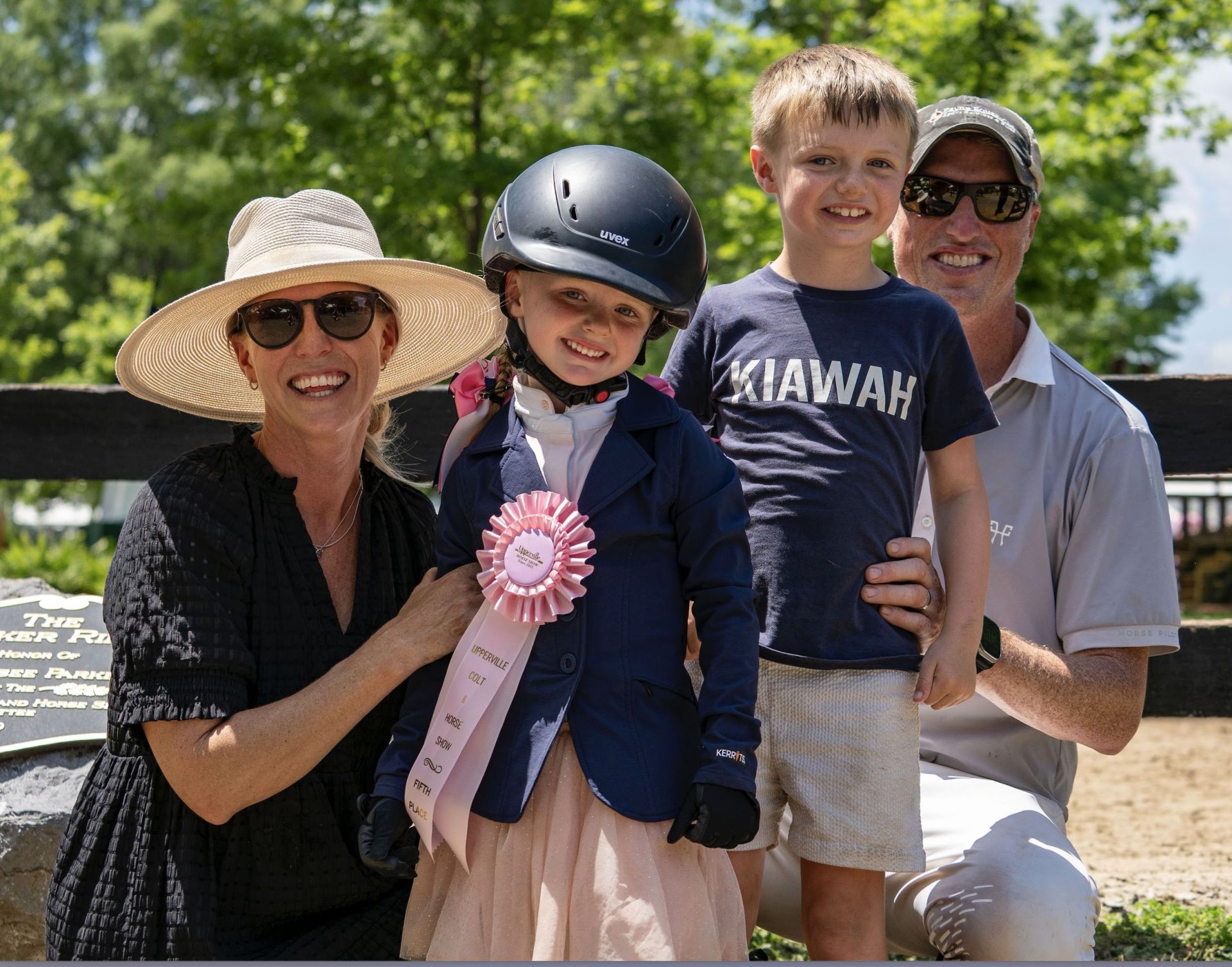
Today, they travel together to competitions, with their kids joining them. Abigail loves being around the horses and enjoying the treats as she walks through the barns. Hudson brings his Legos and soccer cleats. They have created a life where excellence and family coexist harmoniously, rather than being in competition with one another.


The Olympic Moment
The pinnacle of Doug’s career arrived in Tokyo. He would represent the United States at the Olympic Games on Van Diver, a horse he and owners Debbie and Kevin Crowley had developed from the ground up. This was not a borrowed horse or a quick fix; it was a partnership perfected over years of trust, training, and meticulous attention to detail.
The selection process was brutal. With only three team members and one alternate in the new Olympic format, every rider had to be absolutely reliable, capable of finishing at or near their dressage score. There was no room for disaster. Doug and Van Diver’s consistency, along with their proven track record at five-star competitions without jumping penalties, gave the selectors confidence.
However, Tokyo itself was unlike anything Doug had ever experienced. He faced daily COVID testing and was confined to the hotel. The mental burden of knowing that a single positive test could lead to his removal from competition weighed heavily on him. He had dedicated his entire life to this moment, only to have it constantly threatened by circumstances beyond his control.
Still, he rode on. When the results came in, Doug emerged as the highest-placed American. While it was not the gold medal he had dreamed of, it was a profound moment nonetheless, a validation that when the stakes are highest and the pressure is greatest, he rises to meet the challenge.
Afterward, Debbie and Kevin created a shadow box filled with bridle numbers, shoes, and photographs, which now sits in his home. It is his most treasured possession, not because it signifies a gold medal, but because it represents a journey, a partnership, and a moment when everything aligned.

Character Beyond Competition
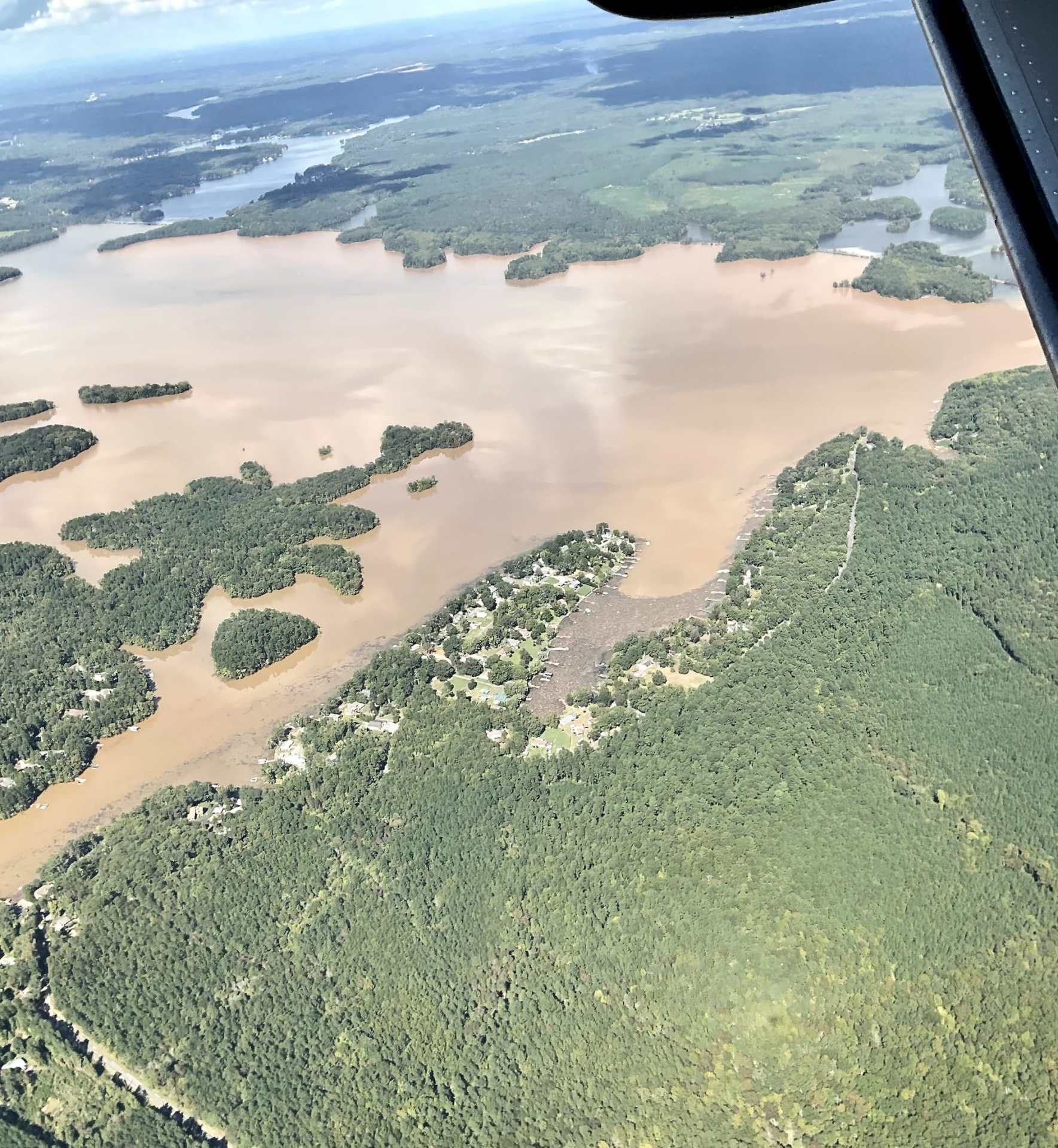
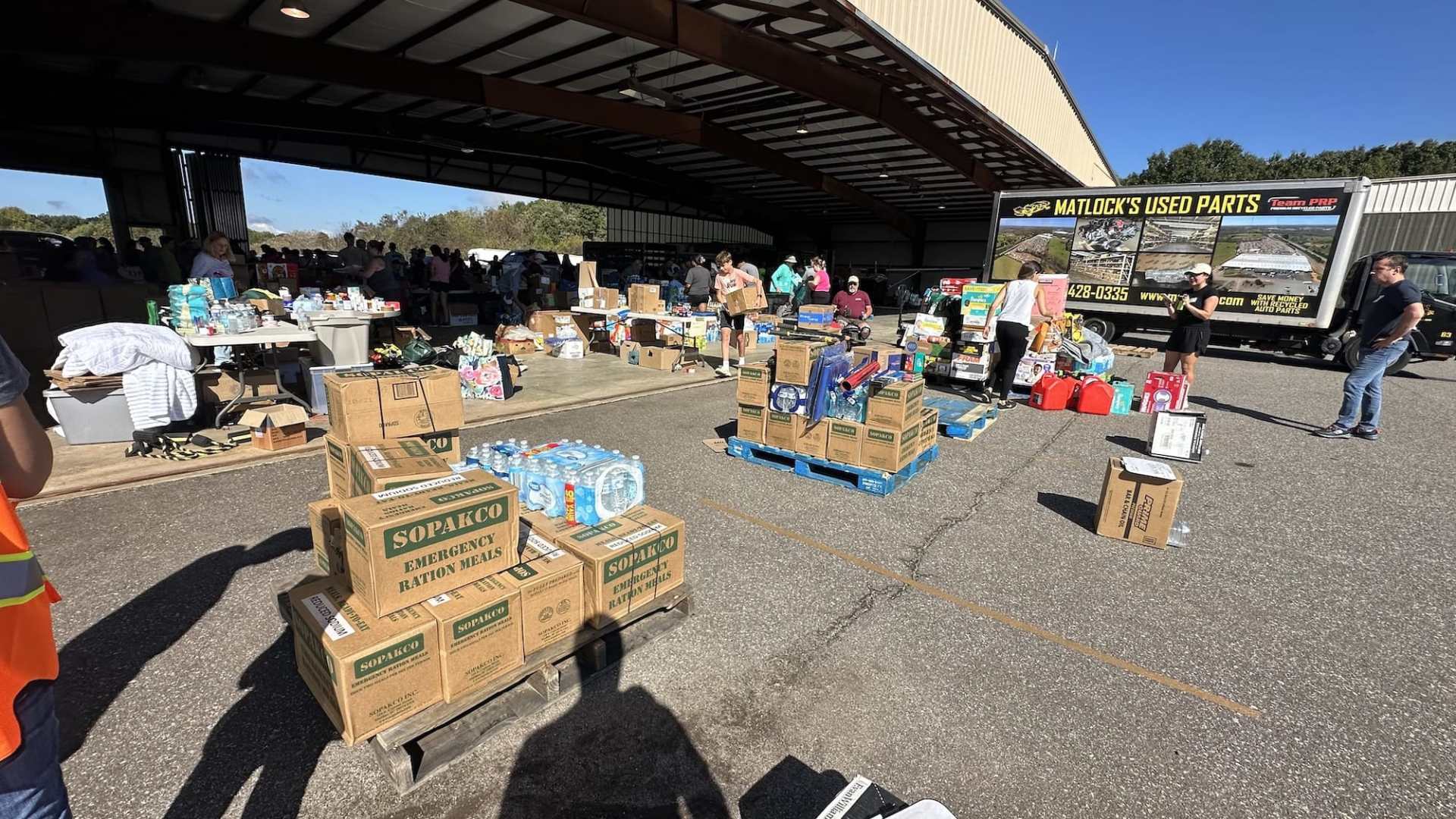
Doug was not only excelling in sports; he was also making a difference in times of crisis. When Hurricane Helene devastated the Carolinas, he quickly took to the skies again, this time not for competition. A friend with a Kodiak turboprop reached out, asking for help with relief flights. Doug joined the effort, completing seven flights that day. He coordinated with volunteers who weighed supplies, calculated loads, and identified small airports that could still receive aircraft.
During his efforts, they learned of a farm with twenty horses stranded without feed, hay, or any way to reach food because the bridge was gone. Doug flew to Southern Pines, loaded eighteen bales of hay, and worked with a skydiving plane to drop the supplies from above. The first two bales mistakenly landed in the river, but after that, they corrected their aim, and the horses received the food they desperately needed.
This is who Doug is: capable in ways that constantly expand, willing to be of service, and always ready to help.
The Unexpected Pivot
Here is where Doug’s competitive journey takes another turn. After twenty years in three-day eventing and international competition, a sport that has significantly shaped him, a gradual shift began.
A horse named Quintessence came into his life for eventing. However, the horse’s natural instincts and unique talent for careful jumping did not align with the endurance requirements of eventing. Fortunately, the owner, Jane Dudinsky, was open to the idea of transitioning him to show jumping instead. Quintessence went on to win the six and seven-year-old finals and later competed in Grand Prix events.
This experience planted a seed of change for Doug. With children now traveling alongside him, committing to forty to forty-five weeks on the road became unsustainable. The situation began to shift. Jumping offered more flexibility, reduced travel demands, and similar financial opportunities. The pressures of competing were now concentrated into the ring, rather than spread out across a triathlon of disciplines.
As he often does, Doug recalibrated and approached this new challenge with full intensity. He refused to be seen as an outsider or as a former eventer simply dabbling in jumping. He aimed to be proficient, competitive, and excellent.
He is almost there. That slight chip on his shoulder, the feeling that he is not quite good enough yet, is what drives him forward. This hunger is what makes his story so compelling to watch.
The Philosophy That Changes Everything
When you ask Doug what makes him laugh, he will tell you it is sarcasm and directness. If you ask what angers him, he will respond with frustration toward people who are not straightforward, those who hedge or deceive. In both horses and life, he prefers hard truths over gentle lies.
Doug’s advice to young people is simple yet profound: “Never sell yourself short, and do not be afraid to share your big ambitions.” He explains that when people know your goals, even if they seem outrageous, they are more likely to help you. Their networks will open up, and their knowledge will be shared with you. However, if you keep your ambitions private and safe, you miss out on the help that could have been yours.
This reflects the mindset of someone who has strategically built his life and learned that visibility and clarity can exponentially increase opportunities. His personal motto summarizes this belief perfectly: “What does not kill you will only make you stronger.”
What Comes Next
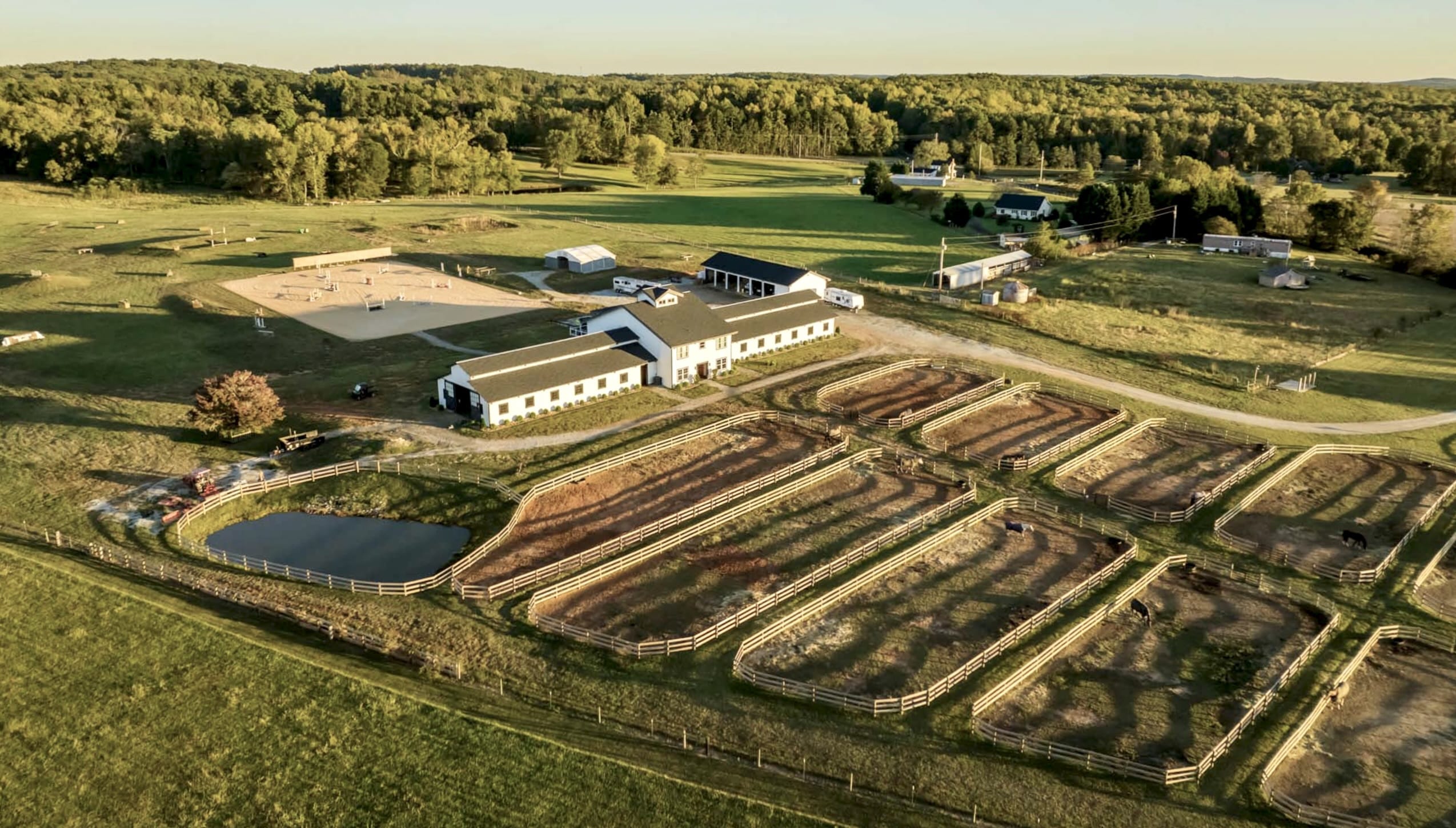
Doug still trains dozens of horses. He runs a facility with his wife. He manages clients, oversees young talent, and develops the next generation. He is building young jumping prospects for a future team. The horizon keeps expanding.
When asked about his biggest challenge, he does not cite technique, time, or even talent. Instead, it is finding and developing exceptional horses. The financial commitment involved is substantial, and even with the right resources, the perfect partner horse is a rare find. Establishing the partnerships needed to support this journey and reach the highest levels again is a puzzle that remains to be solved.
Doug has spent his entire life solving puzzles. He is an engineer who became an Olympic athlete, an eventer who transitioned to jumping, and a rider who evolved into a writer, a judge, a pilot, and a mentor. He is a farm kid who trusted his instincts when everything logical suggested otherwise.
And he is not finished yet, not by a long shot.
Watch His Full Story
Doug Payne’s journey is about more than competition. It is about partnership, resilience, calculated risk, and the power of never settling for anything less than excellence. It is about building a life where ambition and family thrive together. It is about understanding that your biggest limitation is often how loudly you speak your goals.
Discover the whole conversation and witness the moments that shaped Doug Payne. Listen as he reveals what it truly takes to represent your country at the Olympic Games, how he navigated a career pivot, why he has a passion for flying planes and playing polo, and what exciting ventures he is planning next.
Watch the complete interview with Doug Payne on Worth the Price of Admission at https://worththepriceofadmission.com/doug-payne/
To learn more about Doug and his coaching, please visit PE3S at https://pe3s.com/
Every story is a gift to the future.
And every moment is worth preserving.